Why Violence Happens and How It Can Be
Factors that may contribute to intimate partner violence include low self-esteem; difficulty managing anger and high levels of stress; poor impulse control; feeling threatened or insecure; learning during childhood that violence can be used to control others or resolve conflict; distrust or suspicions of infidelity; jealousy; a desire to dominate, control, or manipulate a partner; Mental illness, negative attitude toward women, drug or alcohol misuse, psychological distress related to uncertainty, interpersonal conflict, or negative life events such as job loss or divorce; financial hardship
Domestic Violence: Risk and Potential Losses
Risks and Potential Losses
In addition to damaging the quality of the relationship, abusive and harmful behaviors can have serious consequences for everyone involved:
Loss of the relationship: Ongoing abuse can erode trust, affection, intimacy, and commitment, increasing the likelihood that a partner will emotionally withdraw, end the relationship, or seek connection elsewhere.
Loss of affection and emotional closeness: Partners may withhold affection or distance themselves emotionally and physically.
Risk of retaliation or escalating conflict: A victim may use force in self-defence, increasing the risk of injury to both partners.
Reduced functioning: Prolonged stress due to relationship conflicts and psychological can make it more difficult to regulate emotions such as fear and anger, respond to a partner’s needs, communicate effectively, and provide consistent, responsive parenting.
Loss of social support and health consequences: Persistent conflict and lack of supportive relationships can contribute to poorer health, and increased risk of chronic disease and premature mortality.
Legal consequences: A person who uses violence may face arrest, criminal charges, court restrictions, loss of contact with family members, or incarceration.
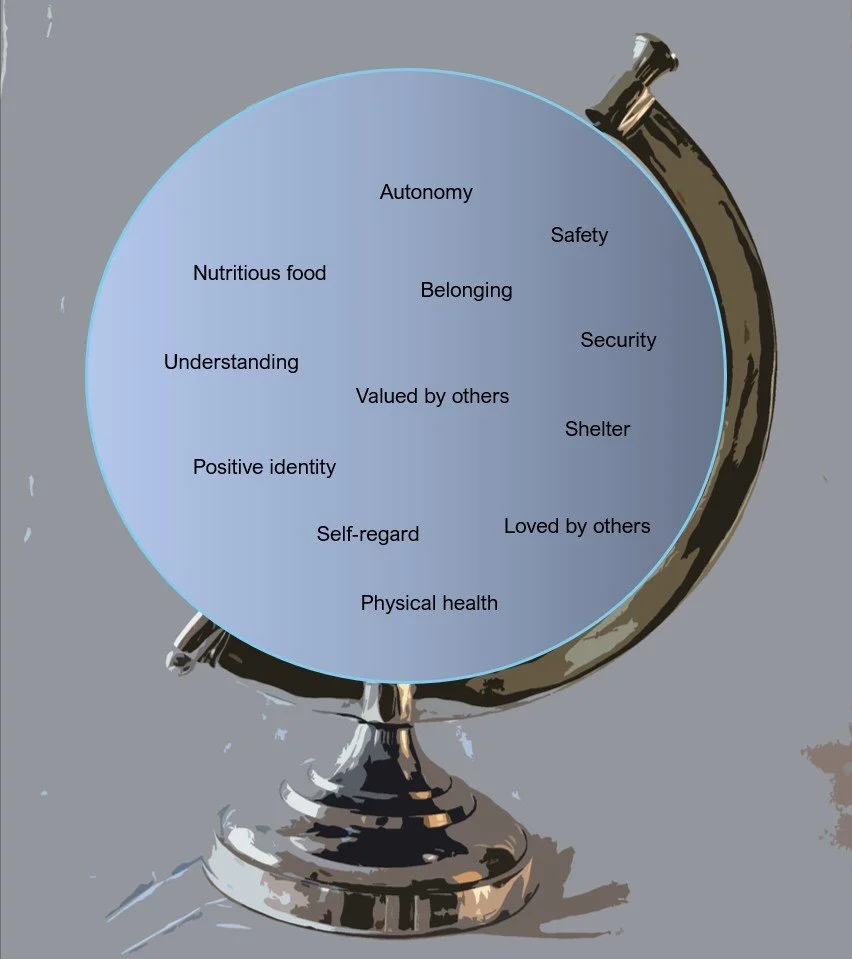
Human needs
In addition to food, water, air, we all want to maintain a positive identity, stay close to people who make us feel valued, supported, and loved, protect our health, keep ourselves and our loved ones safe from harm, be good parents or caregivers.
IPV: Risk and Damage Control
Most people can learn from past experiences and make meaningful changes. They can:
Change how they treat their partners and respond during conflict.
Develop healthier ways to soothe themselves, reduce worry, manage anger, and improve mood.
Change behaviors that contribute to pain, distress, or harm.
Build healthier, more supportive relationships.
