Domestic Abuse Perpetrators: Motives, Risk Factors, and Patterns of Behavior
Why People Use Violence or Abuse in Intimate Relationships
Because ..…
Dominate another person and maintain control
Express anger, relieve negative emotions
Defend oneself or respond to perceived threats
Jealousy
Retaliate for something the partner did
Create dependency, reinforce subordination
Force a partner to behave in a desired way
Punish suspected or actual infidelity
Prevent the partner from ending the relationship
Provoke, control, or suppress the partner’s response.
Characteristics of Perpetrators of Domestic Violence
Poor self-esteem
Many people who engage in domestic violence struggle with low self-esteem, feelings of inadequacy, or a sense of inferiority. These feelings can contribute to anxiety.
Selfish, Belligerent, Insensitive
Experience anger and tension that may increase the probability of being violent toward those they blame for causing those emotions.
React aggressively to minor provocation.
Have difficulty controlling their behavior.
sometimes they react impulsively without considering the potential consequences.
Repeatedly violate personal boundaries.
Disregard or disrespect others
Show limited empathy
Prioritize their own needs over the needs of their children or partner, causing victims/survivors to feel inferior or pressured to adapt to their partner’s demands.
Note: Many perpetrators are unaware of the negative impacts of their behaviors on their partner and children and tend to blame partner for their own mood
Coping strategies - some individuals:
withdraw, refuse to communicate or withhold reassurance,
avoid responsibilities or refuse to meet their partner’s needs,
use violence or abusive behaviour to relieve fear, anxiety, or emotional tension,
use alcohol, drugs, or other substances to cope with distress and escape unpleasant emotions.
Other contributing factors may include:
Past trauma – Research shows traumatic experiences during childhood or adulthood can have long-term effects across a person’s lifespan. Some trauma survivors may have difficulty expressing emotions, while others may struggle to regulate emotions such as anger, anxiety, and sadness or calm their nervous system.
Poor mental health: Research suggests that some perpetrators of domestic violence experience symptoms of anxiety, depression, post-traumatic stress, or other mental health concerns, and may not have received formal support to address these challenges or change harmful coping behaviors.
What else?
Poor conflict resolution skills, stress related to unemployment or low income, racial discrimination, unfair treatment at work, gender-inequitable social norms, and beliefs or attitudes that support male dominance and control.

Many people have experienced childhood and/or adult trauma that has lasting impact on their mental and physical health.
Depression, personality disorders, or PTSD may contribute to a higher risk of violent or abusive behavior, particularly when combined with substance use, unresolved trauma, poor impulse control, chronic stress, or attitudes that justify control and domination.
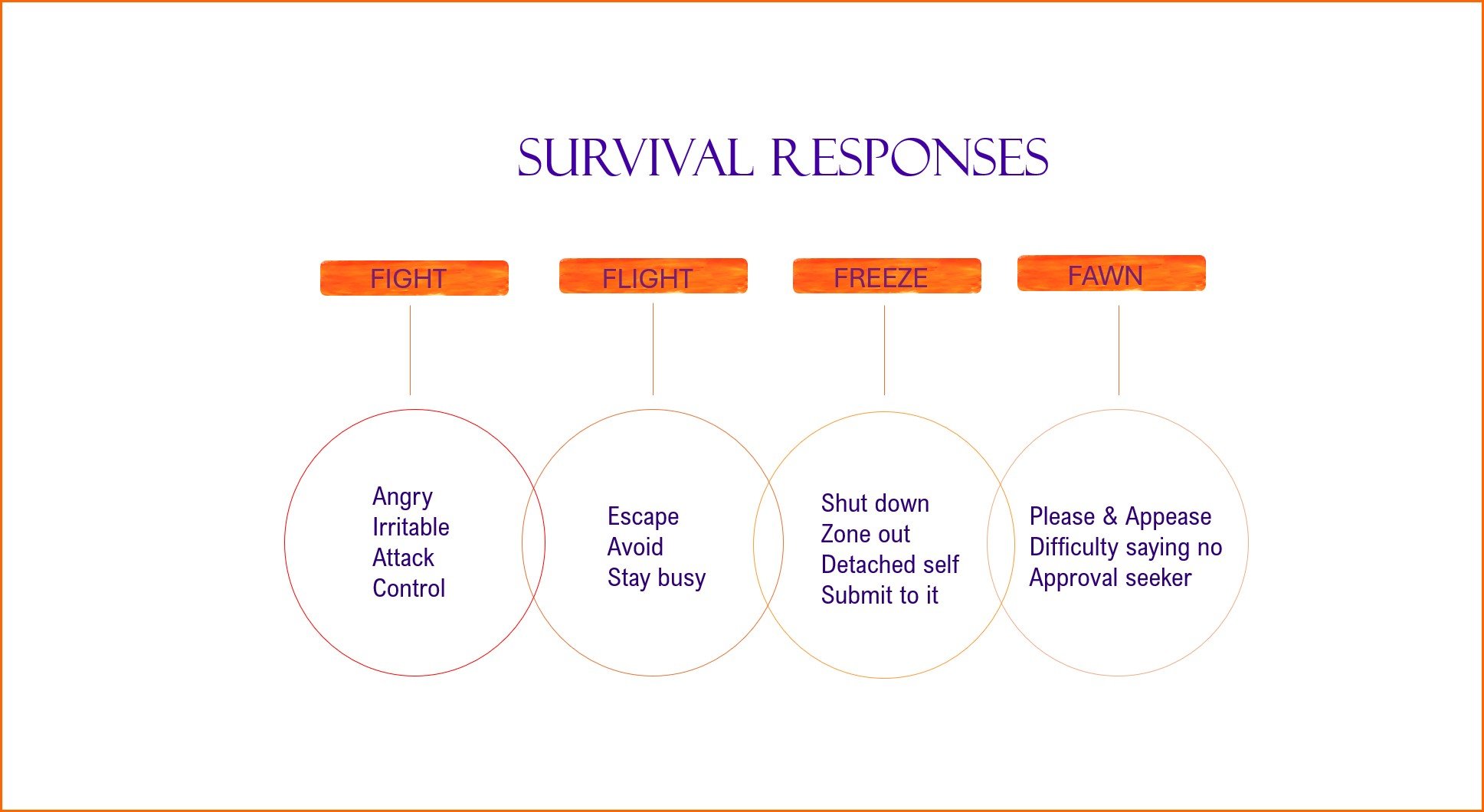
When people feel threatened, disrespected, or unsafe, they may respond in different ways. Some may become aggressive, while others may freeze, withdraw, flee, or try to appease the person causing harm in an effort to reduce conflict or stay safe.
Note: People who have experienced violence in the past are more likely to respond with physical actions, threats, emotional abuse, or controlling behaviors as a way to protect themselves, retaliate for harm caused by the perpetrator, or attempt to influence the perpetrator’s behavior.
References
Rode, D., Januszek, M., & Rode, M. (2015). Psychosocial characteristics of men and women as perpetrators of domestic violence. Polish Psychological Bulletin.
