Discrimination and Health Outcomes: Practical Strategies to Reduce Stress and Prevent Serious Harm
Discrimination can take many forms, including denial of services, unequal or poor-quality service, reduced courtesy toward certain social groups, or responding to a person as if they are dangerous or intimidating.
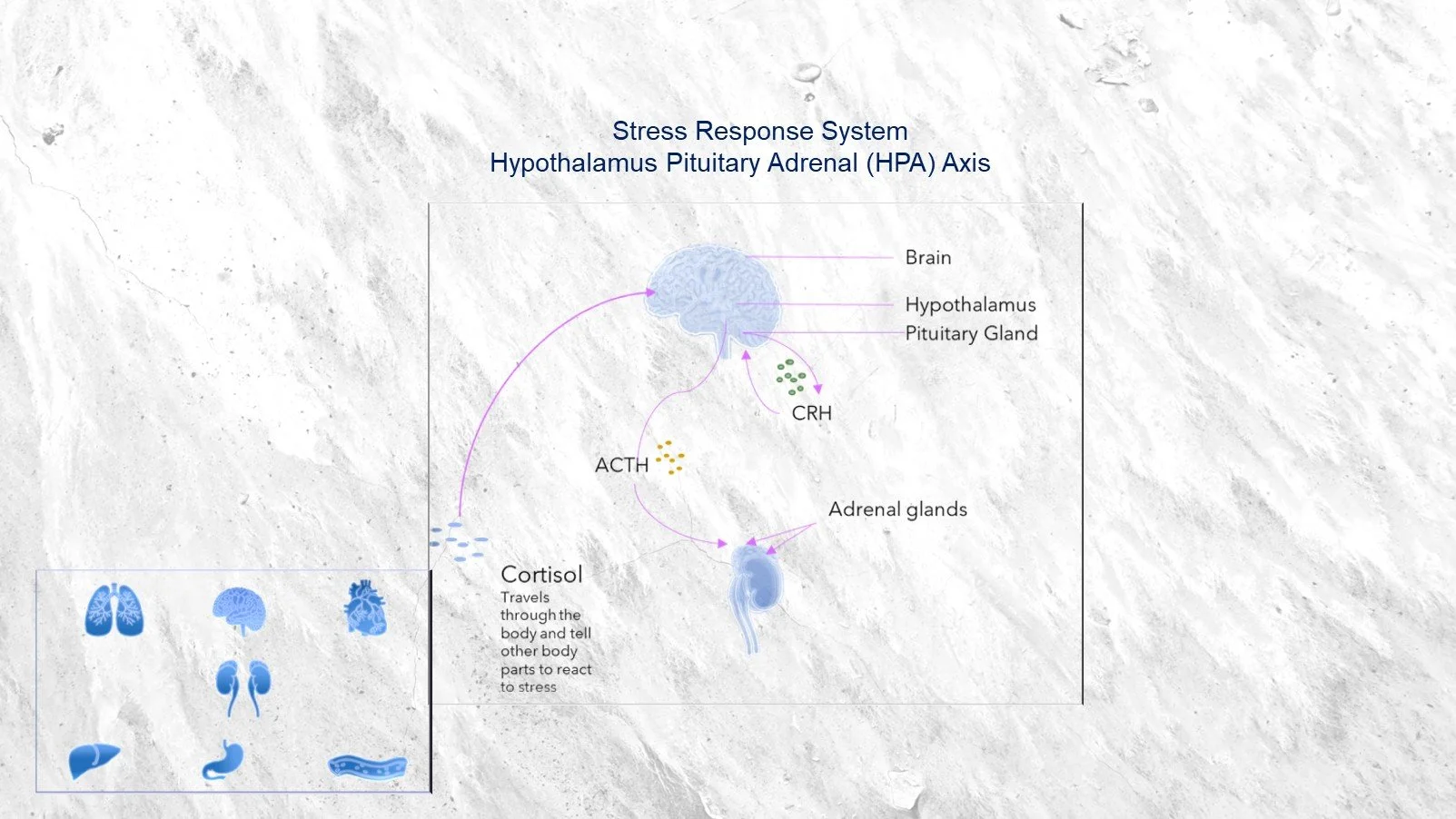
Stress Response System
Discrimination affects both physical and mental health. Experiences of discrimination can activate the body’s stress response more frequently, increasing blood pressure, heart rate, and stress hormone. Discrimination can lead to:
anger
worry and rumination
chronic fatigue
systemic inflammation
suppressed immune function, increased vulnerability to physical illness
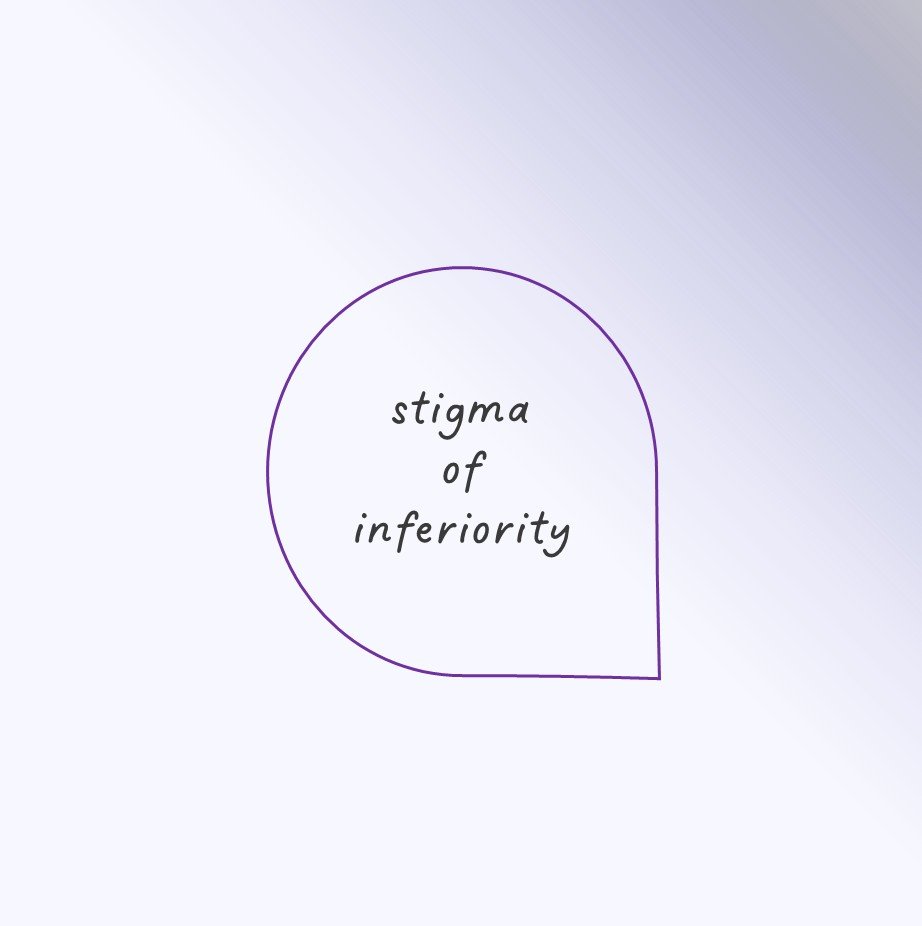
Feel inferior, not good enough, unable, worthless, depressed
In addition, the expectation of prejudice or discrimination related to one’s social identity can lead to increased vigilance for cues of bias or unfair treatment.
Research shows that chronic stress can accelerate cellular aging, contribute to dysregulation of physiological systems—including the neuroendocrine, autonomic, and immune systems—exacerbate existing disease processes, and increase the risk of conditions such as cardiovascular disease and cancer.
How targets of prejudice and discrimination cope: Some individuals may cope with prejudice by minimizing or denying its occurrence or effects in an effort to reduce emotional pain. Others may respond by withdrawing from social engagement, avoid situations that remind them of past hurts, suppressing distressing emotions, or using alcohol and comfort foods as a way to regulate mood and avoid negative feelings
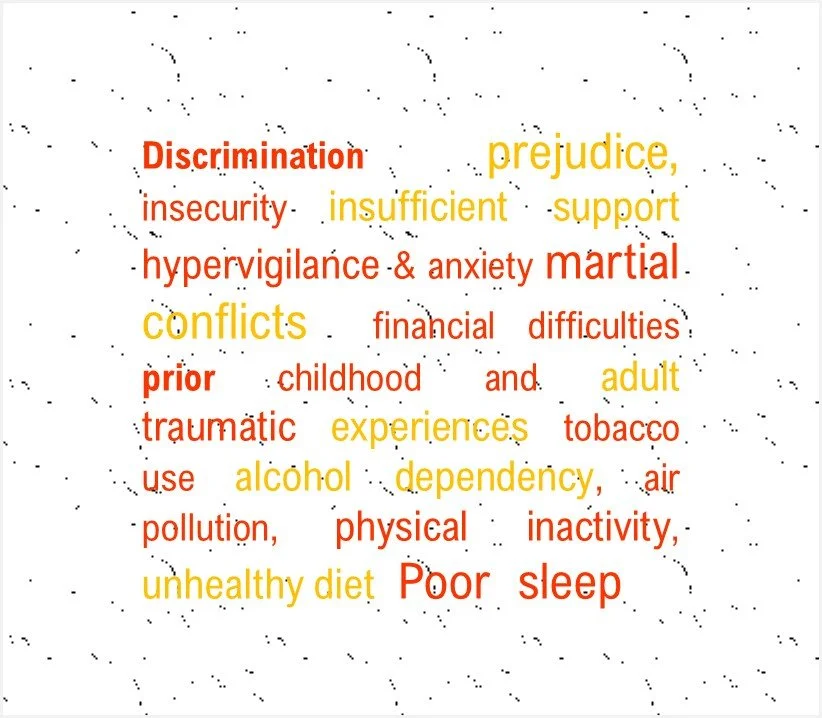
Experiences of discrimination, as well as the anticipation of prejudice, can contribute to chronic stress and adverse health outcomes. Fear of status loss, limited social support, anxiety, hypervigilance, marital conflict, alcohol dependence, unhealthy diet, and sleep disturbance related to rumination and worry may increase the risk of cardiovascular disease, cancer, and severe depression.
Get free Coping Checklist– Daily Practices to Reduce the Effects of Stress, Discrimination, and Abuse
Download free Stress and Anger First Aid Kit www.ecelevate.org/blog/stress-and-anger-first-aid-kit
Join our Healing and Transformation Program to strengthen coping and adaptive capacity, examine past experiences for deeper insight, improve self-esteem and build resilience.
References
Bhattacharyya, M. R., & Steptoe, A. (2007). Emotional triggers of acute coronary syndromes: strength of evidence, biological processes, and clinical implications. Progress in cardiovascular diseases, 49(5), 353-365.
Blascovich, J., Mendes, W. B., Hunter, S. B., Lickel, B., & Kowai-Bell, N. (2001). Perceiver threat in social interactions with stigmatized others. Journal of personality and social psychology, 80(2), 253.
Williams, D. R., Lawrence, J. A., Davis, B. A., & Vu, C. (2019). Understanding how discrimination can affect health. Health services research, 54, 1374-1388.
