What are whole foods?
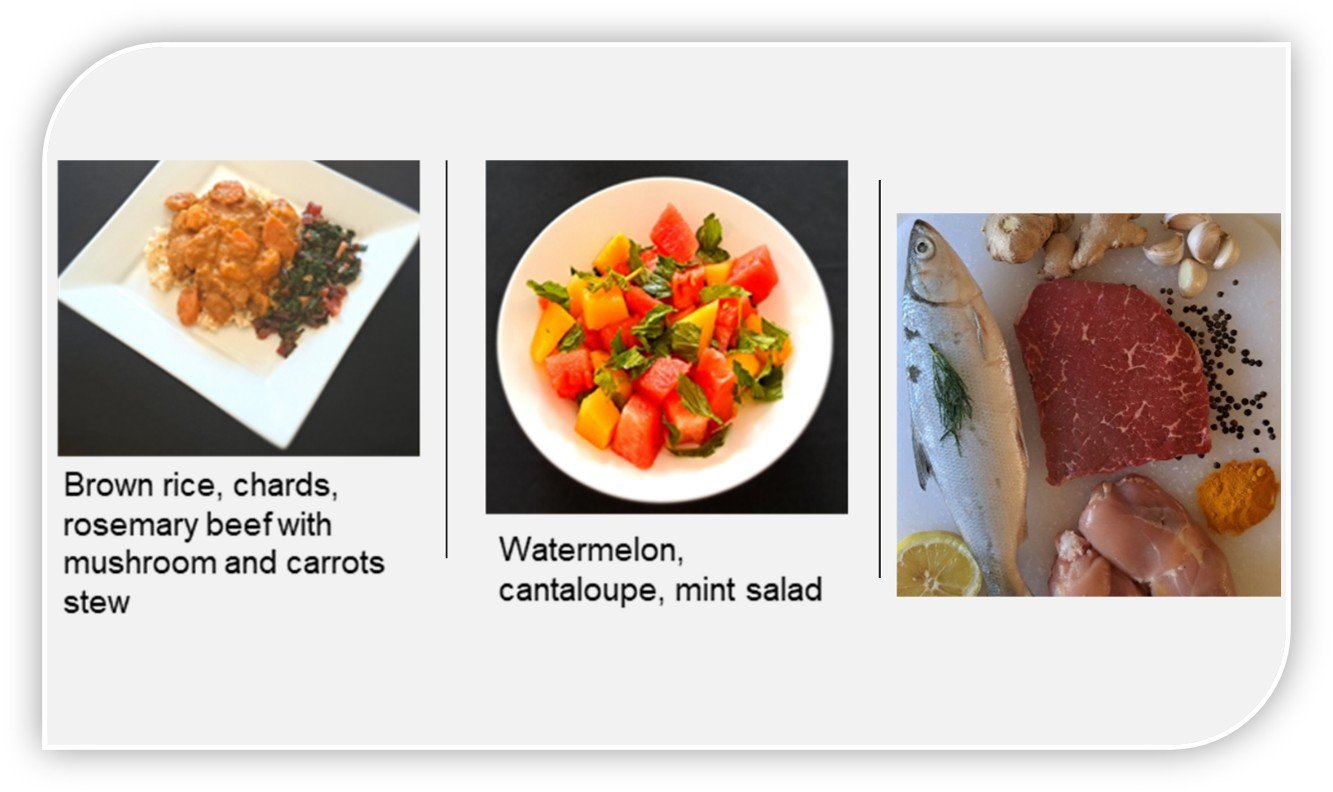
In general, whole foods include fresh or frozen fruits and vegetables, minimally processed whole grains, nuts and seeds, eggs, lean protein like beef, fish and chicken.
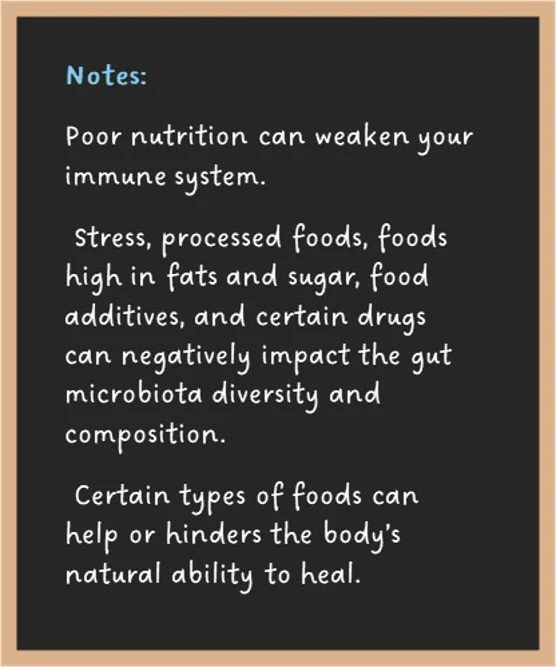
Benefits of Eating Whole Foods
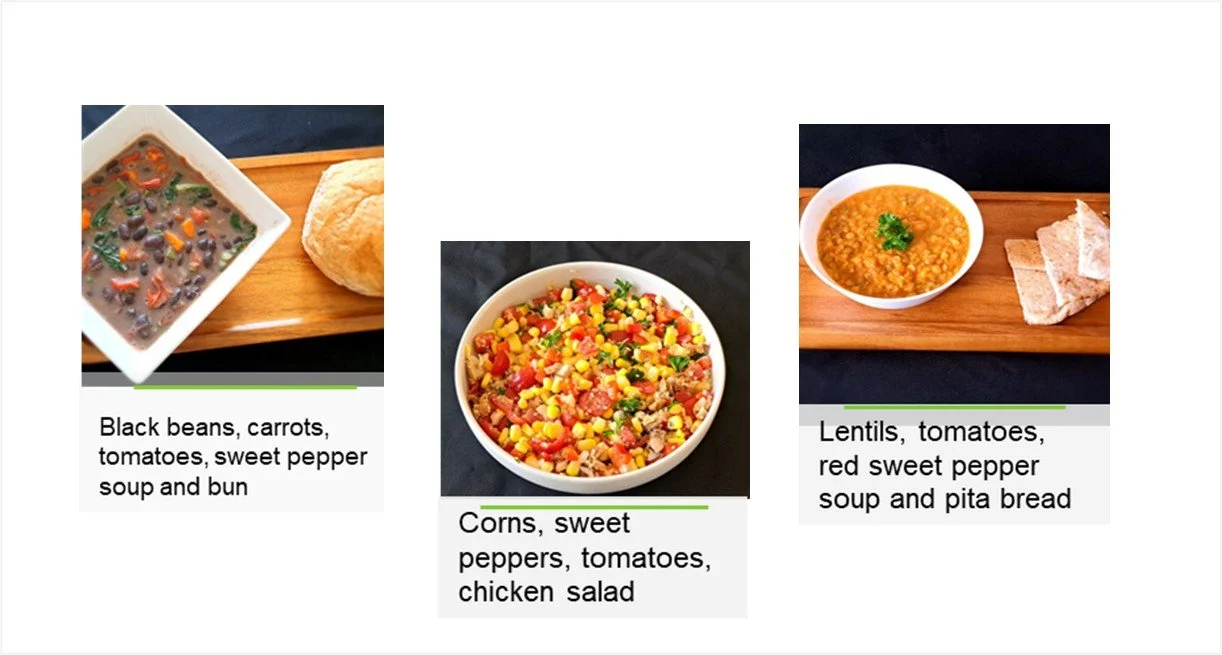
You should consume more whole foods for a number of reasons. Whole foods are rich in vitamins (E, A, C), minerals (calcium, magnesium, potassium, phosphorus, sodium, iron), and healthy compounds called phytochemicals.
Phytochemicals are biologically active compounds found in vegetables, fruits, whole grains, nuts, seeds, spices and herbs. Phytochemicals can help prevent diseases and keep your body working properly, speeding healing, etc.
Furthermore, whole foods have a high fiber content, which benefits gut health. In addition to strengthening your immune system, lowering symptoms of anxiety and digestive disorders, and repairing damaged cells and tissues, whole foods can also reduce your risk of stroke, hypertension, type 2 diabetes, cancer, and many other chronic health problems.
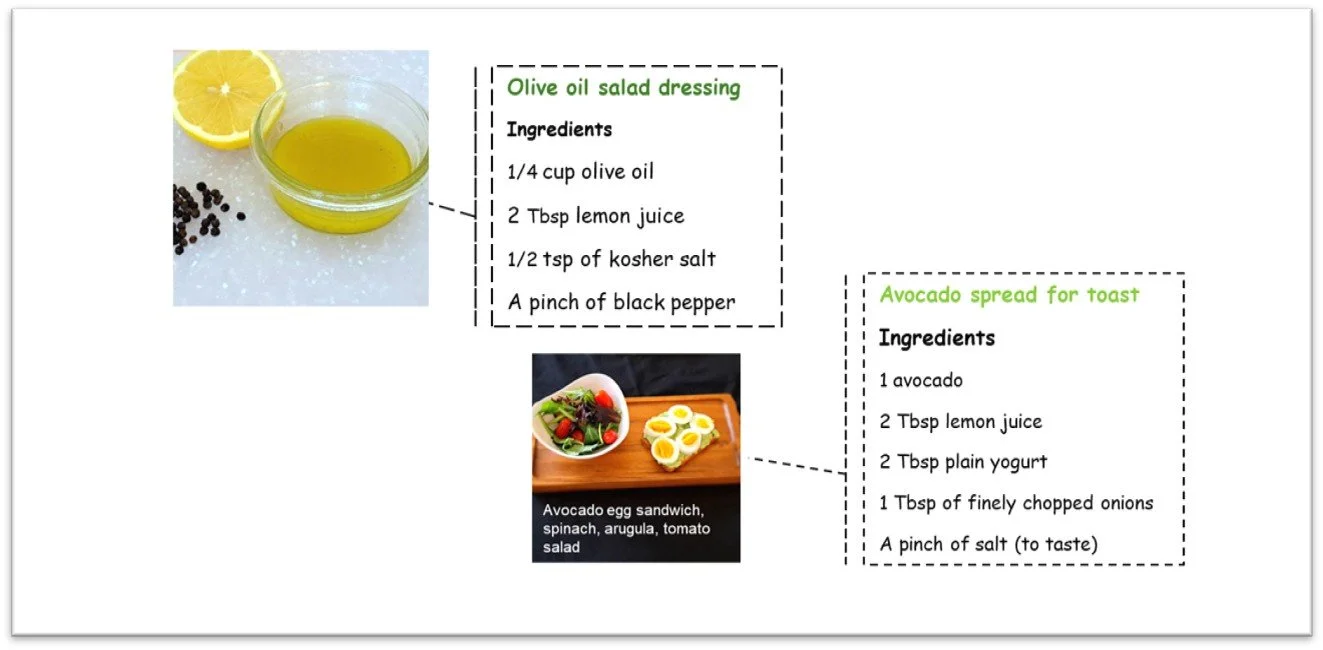
To achieve better results, you should eliminate or eat less processed and sugar foods. These include foods and beverages containing artificial sweeteners and/or preservatives, fruit juices and salad dressings containing preservatives, deep-fried foods, and refined grains.
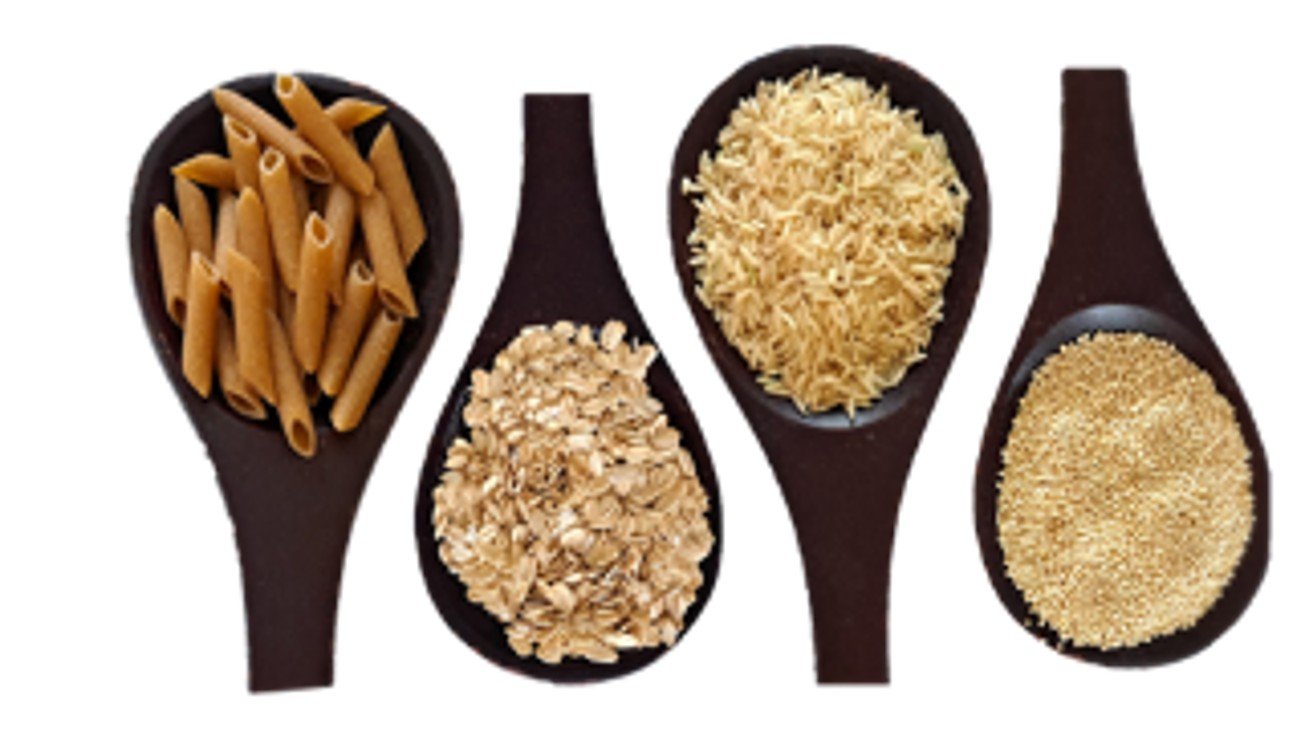
Whole Grain vs Refined Grain
Whole grain consists of three parts: a fiber-rich outer layer (bran), a nutrient-rich inner part (germ), and a starchy central part (endosperm). A whole grain is better than a refined grain. Wholegrain foods have more fiber, protein, vitamins, and minerals than refined grains, which contain only the endosperm. Whole grains include oats, brown rice, barley, wild rice, quinoa, sorghum, wheat, and rye, etc.
If you want to reduce processed foods and cut out sugar, there are things you can do.
Shop smarter
Check food labels
Cook at home
Snack on whole foods.
Nuts and Seeds
Pistachios, almonds, peanuts, walnuts, cashews, chia seeds, flax seeds, sesame seeds, pumpkin seeds - excellent sources of healthy fats, protein, and fiber. They are also a good source of minerals and vitamins. For instance, almonds contain high levels of calcium and vitamin E. walnuts contain omega-3 fatty acids, folate, and vitamin E.
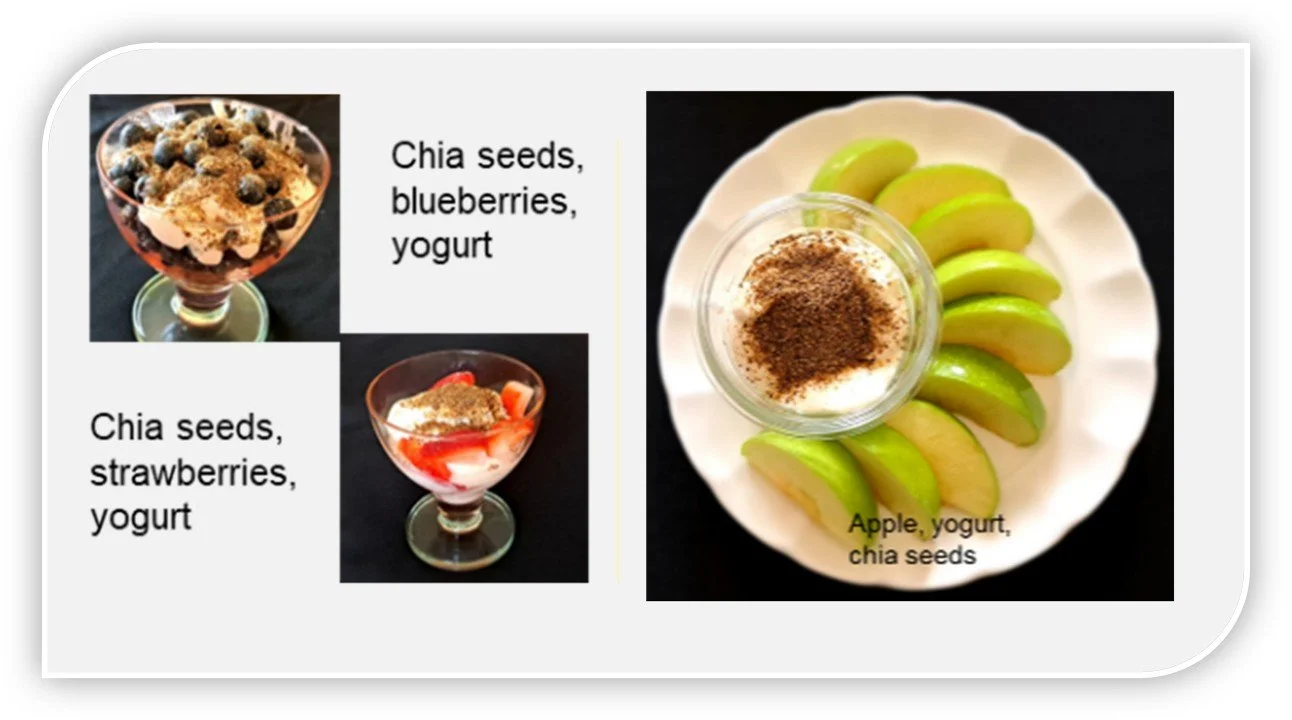
Chia seeds and flax seeds can be incorporated into your diet in many ways. You can add one tablespoon of ground flaxseed or chia seeds to oatmeal, yogurt, and cereal. Whole flaxseeds or chia seeds can be added to salads as a topping.
You can add flaxseed and chia seeds to your home baked goods.
Spices and Herbs
It is good to include the following spices and herbs in your regular diet.
Why?
Herbs and spices not only enhance your meal's taste but also contain antioxidants. Herbs and spices like rosemary, cilantro, parsley, mint, garlic, ginger, curcumin, turmeric, thyme, cinnamon, chili pepper, paprika, onion are excellent sources of antioxidants and compounds known as phytochemicals that can reduce inflammation, cell damage, and strengthen your immune system.
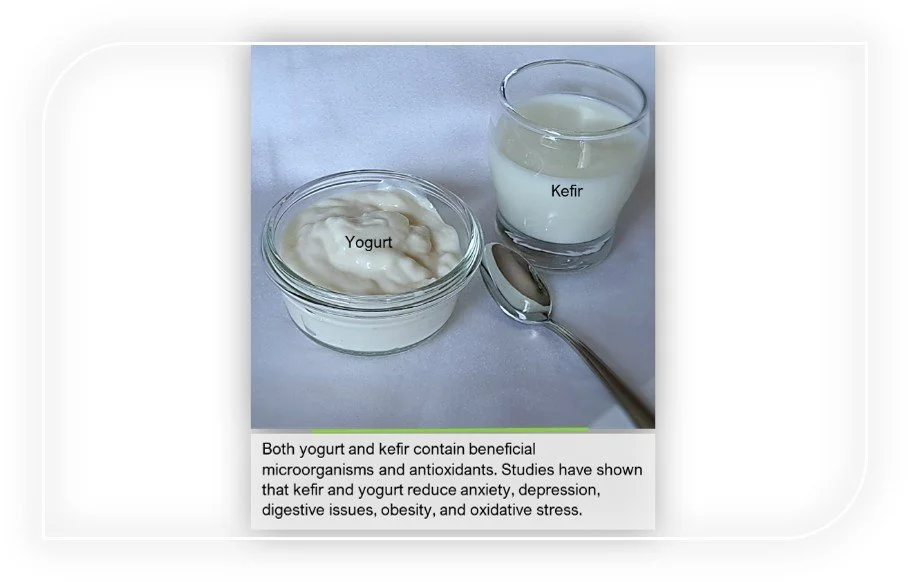
To accelerate healing, improve fitness, and maintain your health, eat a balanced diet. Make sure that you consume a wide variety of plant foods every day, and that they are prepared in a healthy manner. Fruits, vegetables, legumes, and whole grains provide fiber, vitamins, and other nutrients that can help you maintain good health and reduce the risk of developing chronic health conditions and diseases. Adding fermented dairy products to your diet can help you increase beneficial gut bacteria and strengthen your body’s natural ability to heal invisible injuries, repair damaged tissues and protect itself against pathogens.
Try our 7-Day RESET Diet.
It includes meal ideas, a meal plan template and shopping list featuring nutrient-rich foods that support gut health, reduce inflammation and cell damage, help to calm anxiety symptoms and strengthen immune function.
References
Islam MA, Alam F, Solayman M, Khalil MI, Kamal MA, Gan SH. Dietary phytochemicals: Natural swords combating inflammation and oxidation mediated degenerative diseases. Oxidative Medicine and Cellular Longevity. 2016; 5137431-25. doi:10.1155/2016/5137431
Basu A. Spices in meals: A novel approach to cool down inflammation. The Journal of Nutrition. 2020; nxaa099. https://doi.org/10.1093/jn/nxaa099
Isbill, J., Kandiah, J., & Kružliaková, N. (2020). Opportunities for health promotion: highlighting herbs and spices to improve immune support and well-being. Integrative Medicine: A Clinician's Journal, 19(5), 30.
Jamar, G., Ribeiro, D. A., & Pisani, L. P. (2021). High-fat or high-sugar diets as trigger inflammation in the microbiota-gut-brain axis. Critical reviews in food science and nutrition, 61(5), 836-854.
Jiang TA. Health Benefits of Culinary Herbs and Spices. J AOAC Int. 2019 Mar 1;102(2):395-411. doi: 10.5740/jaoacint.18-0418. Epub 2019 Jan 16. PMID: 30651162.
Mackonochie M, Rodriguez-Mateos A, Mills S, Rolfe V. A Scoping Review of the Clinical Evidence for the Health Benefits of Culinary Doses of Herbs and Spices for the Prevention and Treatment of Metabolic Syndrome. Nutrients. 2023 Nov 22;15(23):4867. doi: 10.3390/nu15234867. PMID: 38068725; PMCID: PMC10708057.
Narang, A. P. (2024). The Promising Connection Between Gut Microbiota and Mental Health: Overview of Kefir in Relation to Mental Health. Am. J. Stud. Res, 2, 34-40.
Park C, Moon DO, Choi IW, Choi BT, Nam TJ, Rhu CH, et al. Curcumin induces apoptosis and inhibits prostaglandin E2 production in synovial fibroblasts of patients with rheumatoid arthritis. International Journal of Molecular Medicine. 2007; 20(3):365-372. 113.
Slavin, J. (2004). Whole grains and human health. Nutrition research reviews, 17(1), 99-110.
Slavin, Joanne L., and Beate Lloyd. "Health benefits of fruits and vegetables." Advances in nutrition 3.4 (2012): 506-516.Srinivasan K. Anti-cholelithogenic potential of dietary spices and their bioactives. Critical Reviews In Food Science And Nutrition.