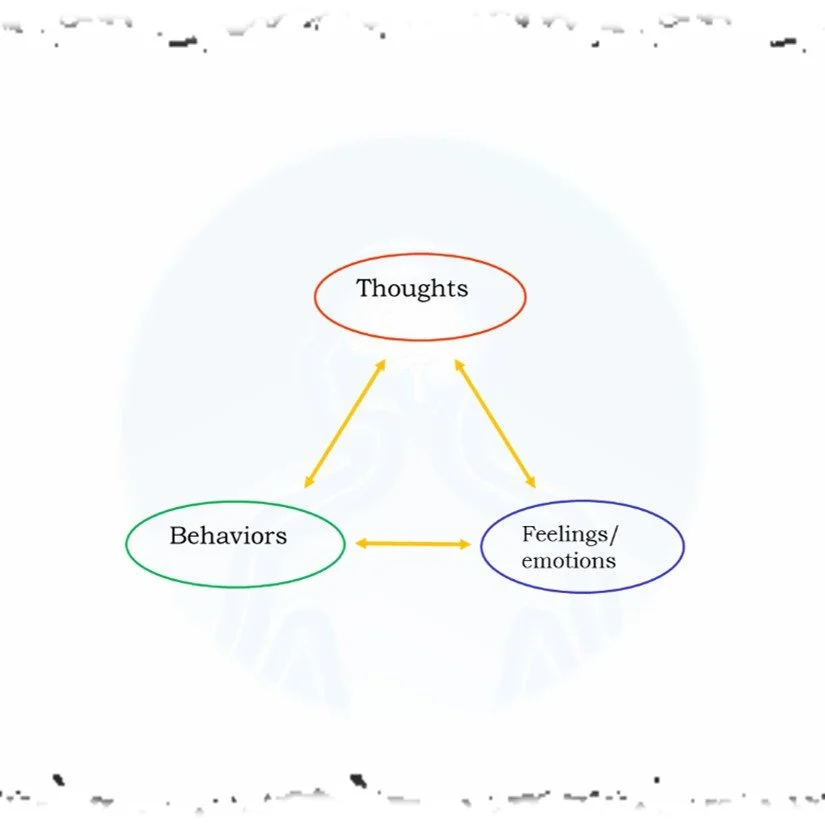
Our thoughts, beliefs, feelings, and behaviors can positively or negatively influence our health. Our behaviors and actions are also influenced by our desires.
Our emotions, thoughts, and actions are influenced by external events, situations, and other people's behaviors/actions.
Emotions such as sadness, fear, anger, and shame impair our judgement and distort our perception of reality.
The mind resides in the brain. Our conscious mind includes everything we are aware of and think about, as well as everything we have learned. Our minds contain emotions, thoughts, memories, and urges beyond their awareness.
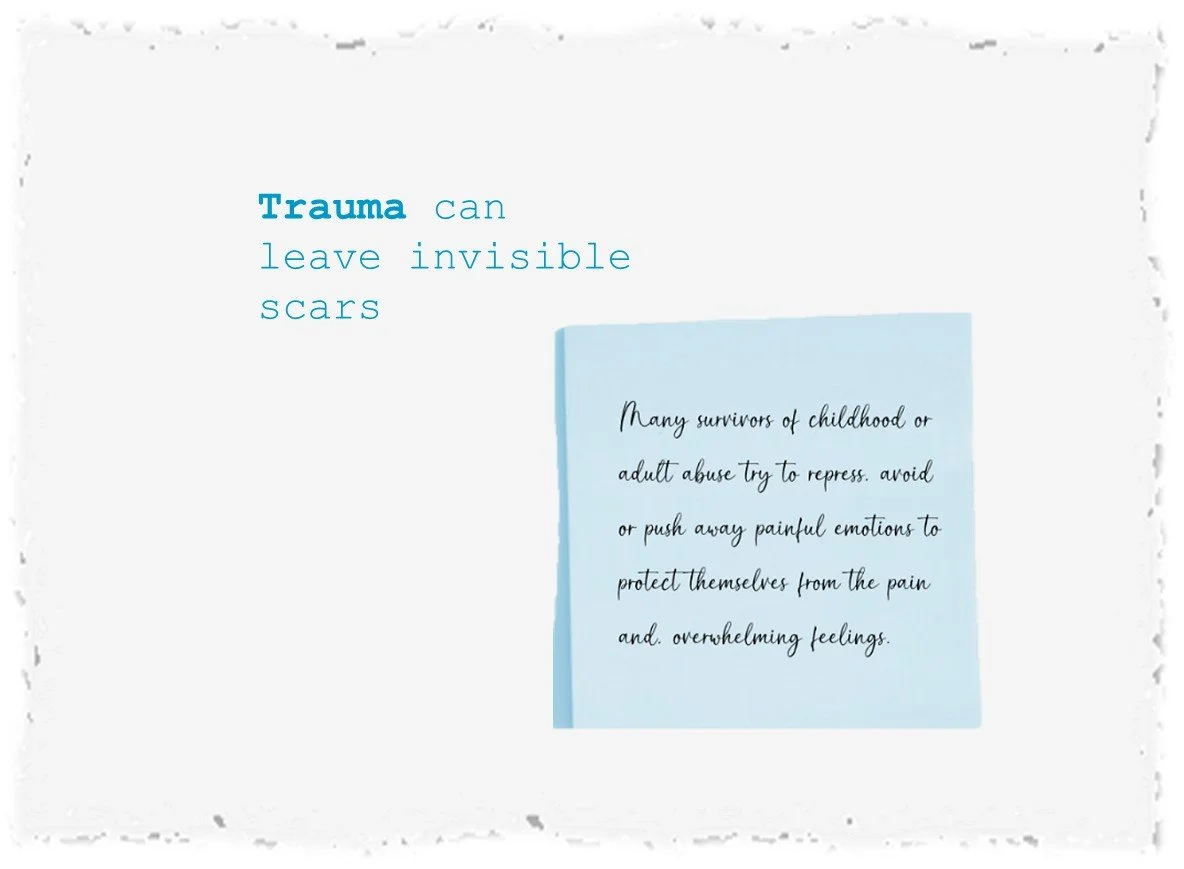
Most people have experienced trauma. Our mind can block out traumatic memories to protect itself from pain, feelings of insecurity, anxiety and guilt, as well as knowledge within itself that we are not ready to face.
Suppressed memories, memories we unconsciously avoid thinking about, unresolved internal conflicts influence our behaviors and actions.
Supressed emotions hinder a person's ability to form meaningful connections and affect how he or she interacts with others.
Interpersonal negative events can alter people's perceptions of themselves, undermine their self-worth, and weaken their spirit.
Most people can limit psychological distress and minimize impacts of stress.
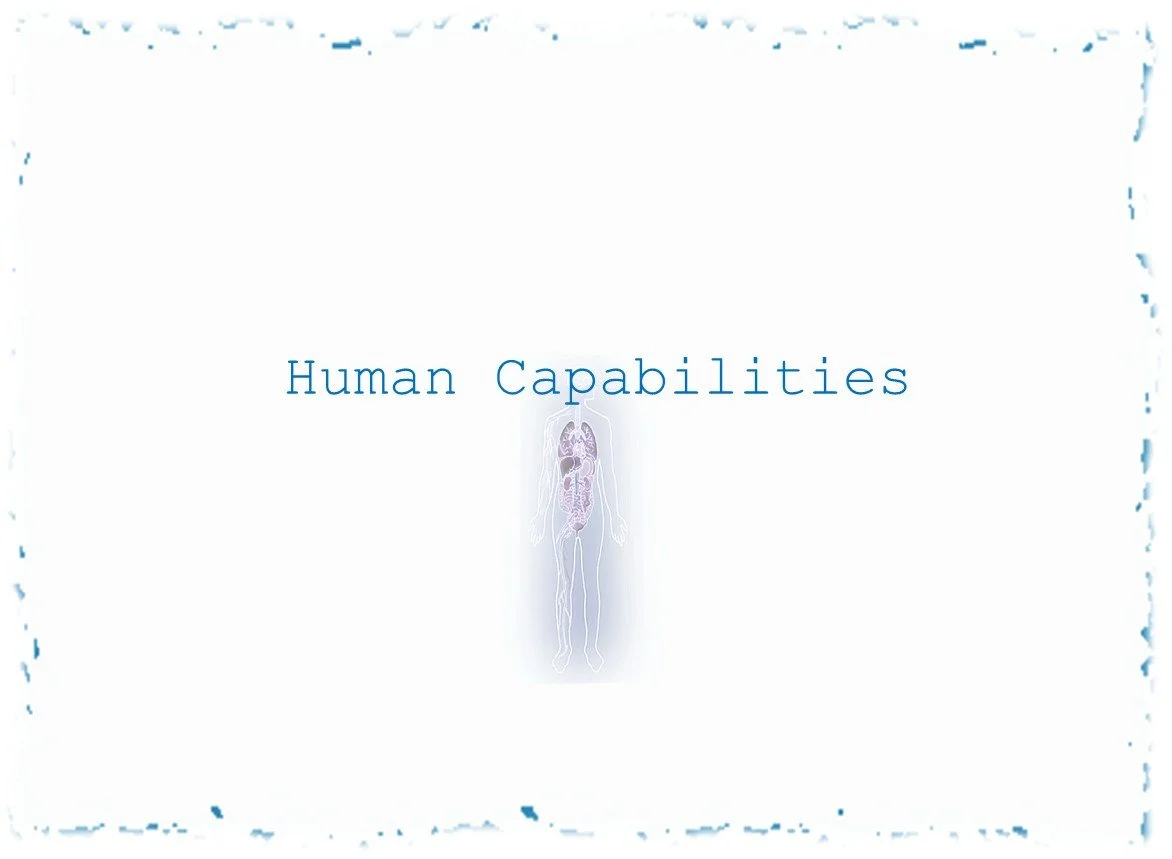
Most people have the capacity to recover from injuries resulting from trauma or sustained mistreatment.
Most people can overcome internal obstacles and transform their lives for the better.
Most people can rebuild their self-esteem and develop their identities after experiencing trauma.
Healing from Past Hurts or Traumatic Experiences
The healing process requires revisiting painful memories, examining oneself and knowing oneself, releasing anger and hurts, let go everything that is not you, connecting with the source of wisdom, power, guidance, resolving inner conflicts, changing what you are eating and engaging in mindful movement.
Ready to take the next step?
Join our online course and start your journey toward a healthier, happier you!
References
Flemke, K. (2009). Triggering rage: Unresolved trauma in women’s lives. Contemporary Family Therapy, 31, 123-139.
Matsumoto, A., Ichikawa, Y., Kanayama, N., Ohira, H., & Iidaka, T. (2006). Gamma band activity and its synchronization reflect the dysfunctional emotional processing in alexithymic persons. Psychophysiology, 43(6), 533-540.
van der Kolk, B. A., McFarlane, A. C., & Weisaeth, L. (1996). Traumatic stress: The effects of over whelming experience on mind, body and society. New York: Guildford. van der