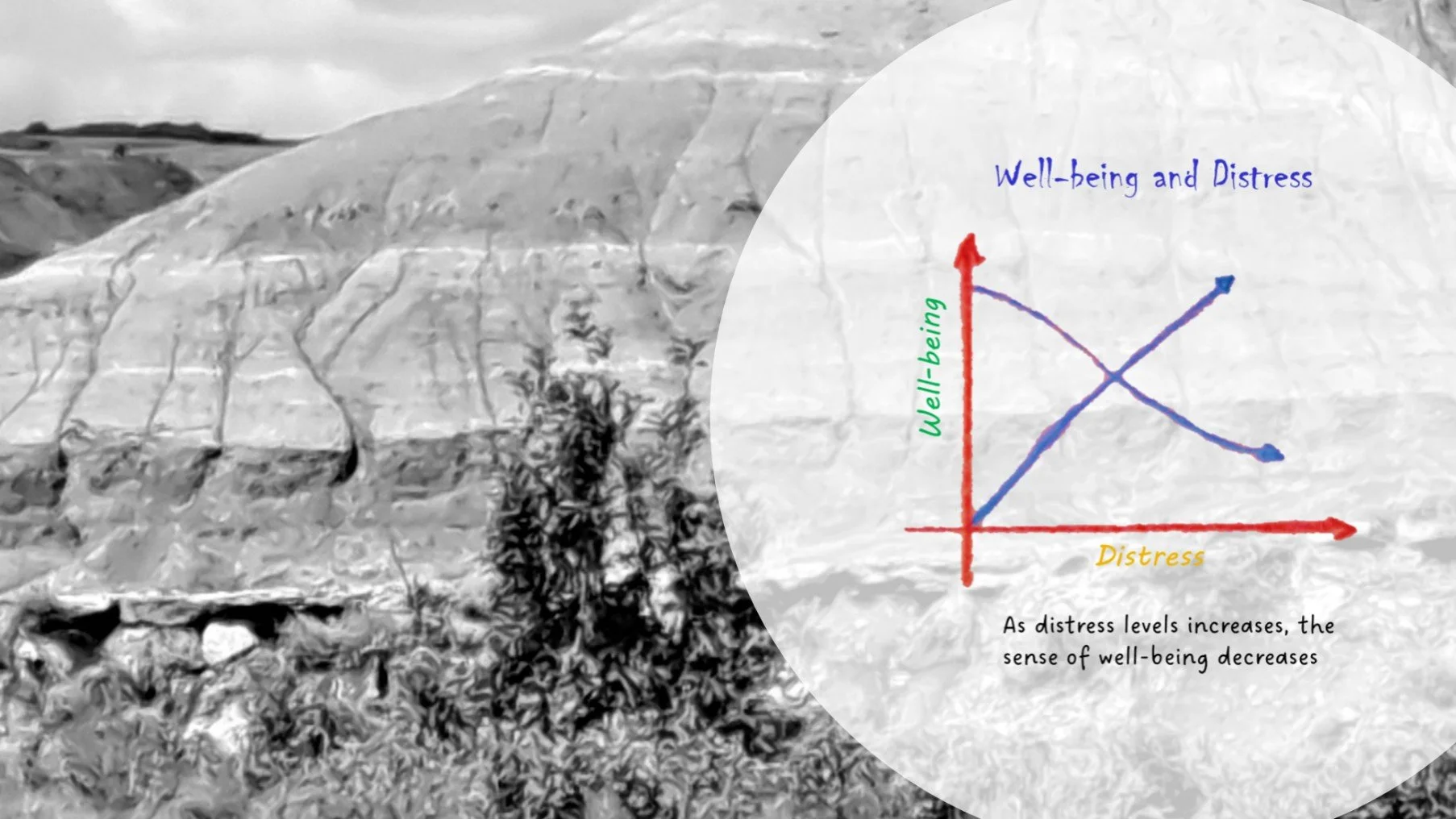
Practical Strategies and Tools to Alleviate Psychological Distress and Manage Stress
Note: Chronic stress and psychological distress directly contribute to physical decline and may exacerbate illness. Therefore, it is essential to:
identify sources of stress
Take charge of your well-being! Implement effective coping strategies to minimize their impact on both physical and psychological functioning.
Join our online course to today. teach yourself how to relax your body, reduce tension and anxiety, reduce psychological distress and minimize impacts of stress.
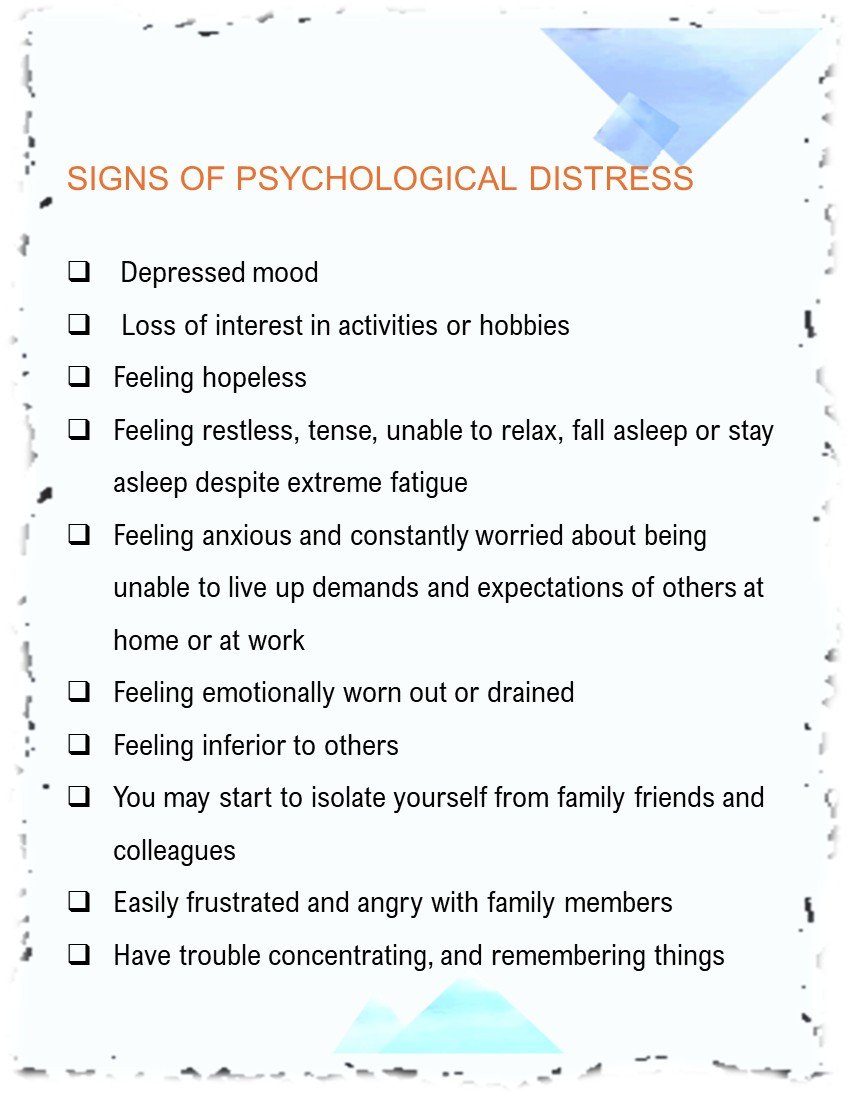
Causes of psychological distress: Social exclusion, poverty, relationship conflicts, unemployment, traumatic events such as natural disasters, accidents, the sudden death of a loved one, domestic violence, physical abuse, sexual assault, emotional abuse, bullying, racial discrimination, the diagnosis of a life-threatening illness, etc. Psychological distress is often caused by painful memories and a tendency to repress and avoid unpleasant emotions.
Stressful working conditions can lead to anxiety, depression, irritability, high blood pressure, muscle tension, and poor performance, as well as substance abuse.
Chronic illness (e.g. diabetes, multiple sclerosis) can cause depression and anxiety, and anxiety and depression can worsen chronic disease symptoms.